Society for Community Development
Our Current Projects
Protection and Socio economic rehabilitation of adolescents & children in Urban Slums of Quetta City.
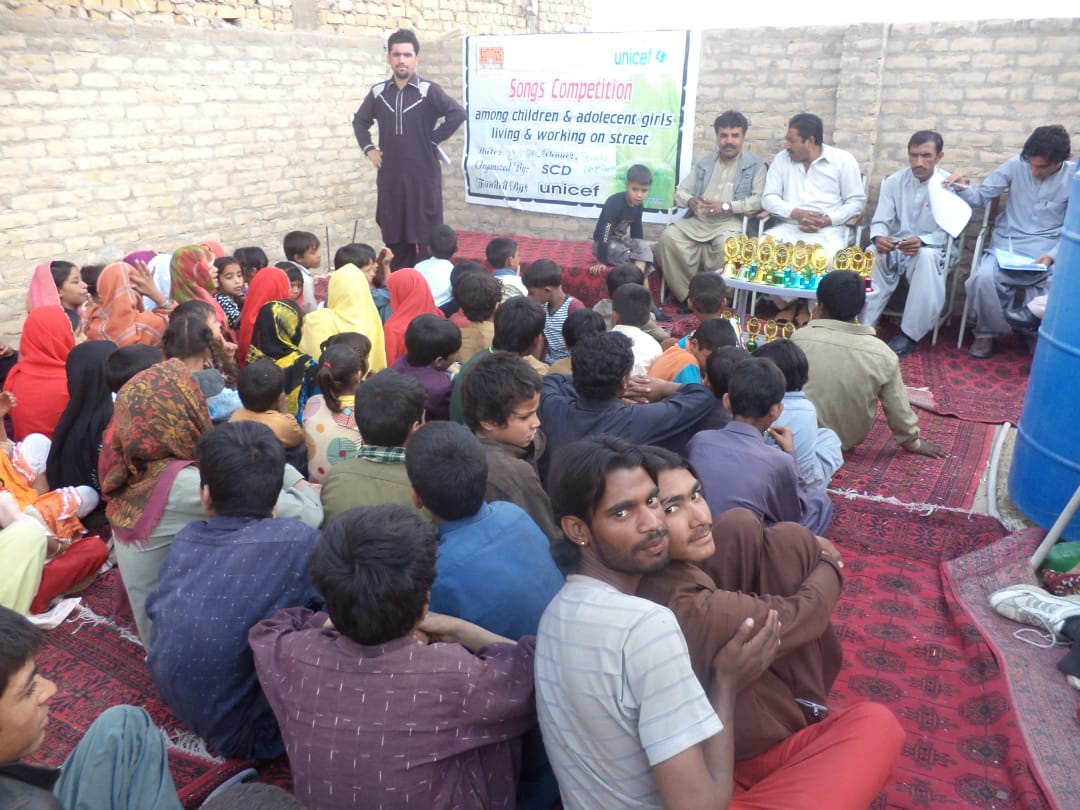
Society for community development (SCD) with the financial support of Unicef Balochistan implementing protection and socio economic rehabilitation of adolescent and children project in urban slums of Quetta city to provide support to government in achieving the recommendation of UN Committee on the Rights of the Children. Street children of Quetta will be mobilized and linked with existing services offered by government institute and social sector organization. The results of the project will be achieved with the help of governmental institutes like Trade Testing Board (TTB) for imparting vocational skill to the street children. Local government, Metropolitan office and NADRA will be involved for the birth registration process. Children and their families will be linked with Bait-ul-Maal. Linkage will be built with temporary night shelters so that children can safely spend their nights. Adolescent girls will be protected by involving community living around them and by providing life skill based education focusing on sexual and reproductive health of the young girls.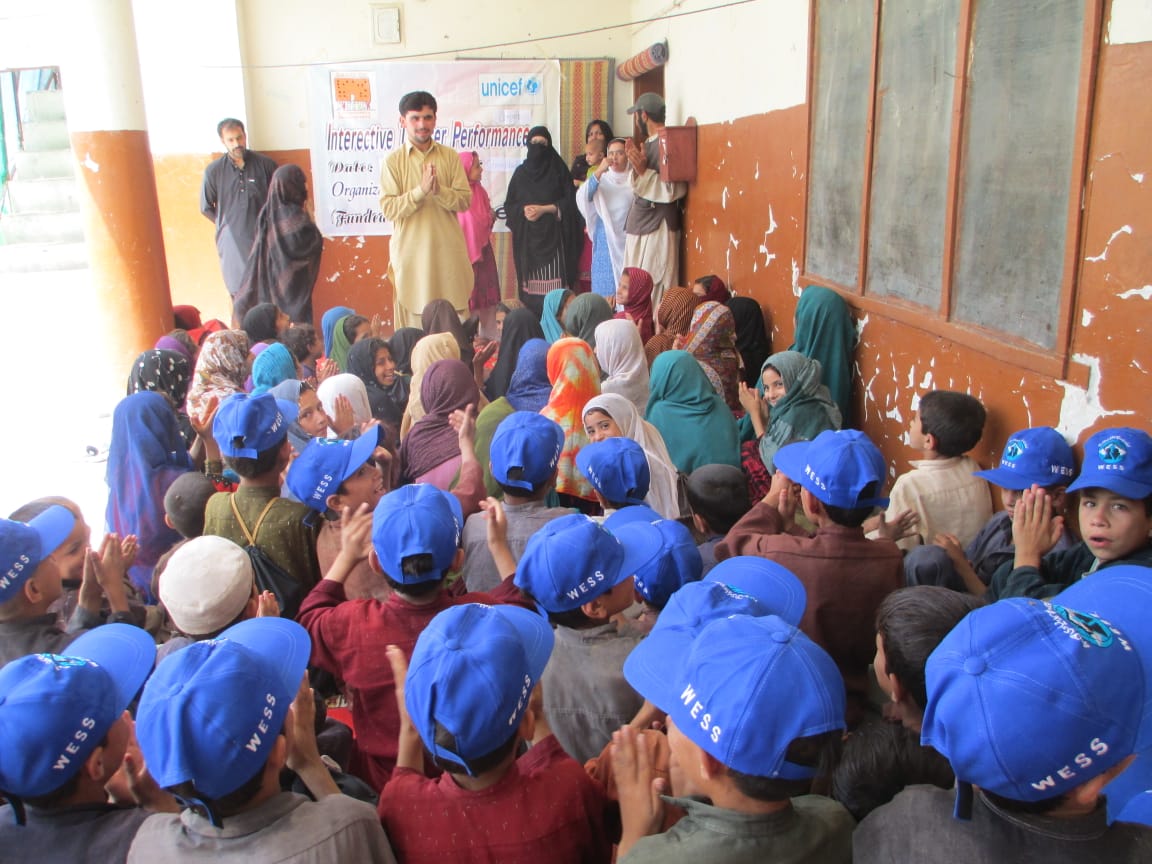
Benazir Income Support Program Waseela-e-Rozgar (Vocational Training Program)
Benazir Income Support Program Waseela-e-Rozgar (VTP) is initiated by Government of Pakistan. The project was aimed at supporting BISP Job oriented capacity Building Program interventions by providing and enhancing capacity building of unemployed and unskilled labor including men and women at household level. SCD signed agreement with BISP in April 2012 for 2 years in all over Pakistan. SCD started BISP Waseela-e-Rozgar Vocational Training program in different districts of 4 sister provinces in Balochistan District Quetta, Killa Abdullah, Pishin, Loralai, Ziarath, Zhob, Sibi, Jaffarabade, Barkhan, Kohlu, Nushki, Chaghi and Hub. Province Punjab District Multan and Muzafarghar and province KPK Mansara, and Bhatgram SCD providing monthly 6,000 stipends, toolkit after completion of the course and also providing achievements certificates through Trade Testing Board Manpower Deportment Government of Balochistan after passing the exam and SCD also providing the micro-finance to trainees for their stainable life and for the promoting of peace in the communityYouth Empowerment Program
SCD implementing Youth Empowerment Program in Quetta city on self finance SCD has 4 child centers for children and youths, 3 are for religious and ethnic minorities in 3 poor communities of Quetta and 1 is for rag pickers. Issues that these children confront are child sexual abuse, commercial sexual exploitation, early marriages, domestic abuse, HIV/AIDS and substance abuse. Moreover, education, job opportunities and medical care are limited. YEP aims to provide these children, child friendly spaces and an opportunity to benefit from non-formal education, income generating activities, psychological counselling, medical treatment and supplemental food, and to become members of child organisations.Child Organizations (CO) members are peer educators and volunteers for community service. CO members consist of children enrolled at the centre or children going to other schools in the community. Their motivation to bring positive change in the community and their activities make them role models for other children. At the centers SCD provides Life Skill Based Education and health sessions to the children of the community through its health counselors. Children are enrolled in basic literacy class where different levels of basic literacy curriculum are taught. Different vocational skills are provided to male and female children and after completing a course, children are given certificate after passing an examination conducted by Trade Testing Board of Quetta.
Awareness raising is provide to the vulnerable communities through SCD’s youth theater group on topics selected through social mapping by child organisations and theatre group’s members.
First level of awareness:
Hygiene
Health issues such as vaccination
Education
Second level of awareness:
Health issues such as STDs
Child abuse and neglect
Domestic violence
Early marriages
Third level of awareness:
Child drug addiction
Child sexual abuse
Child trafficking
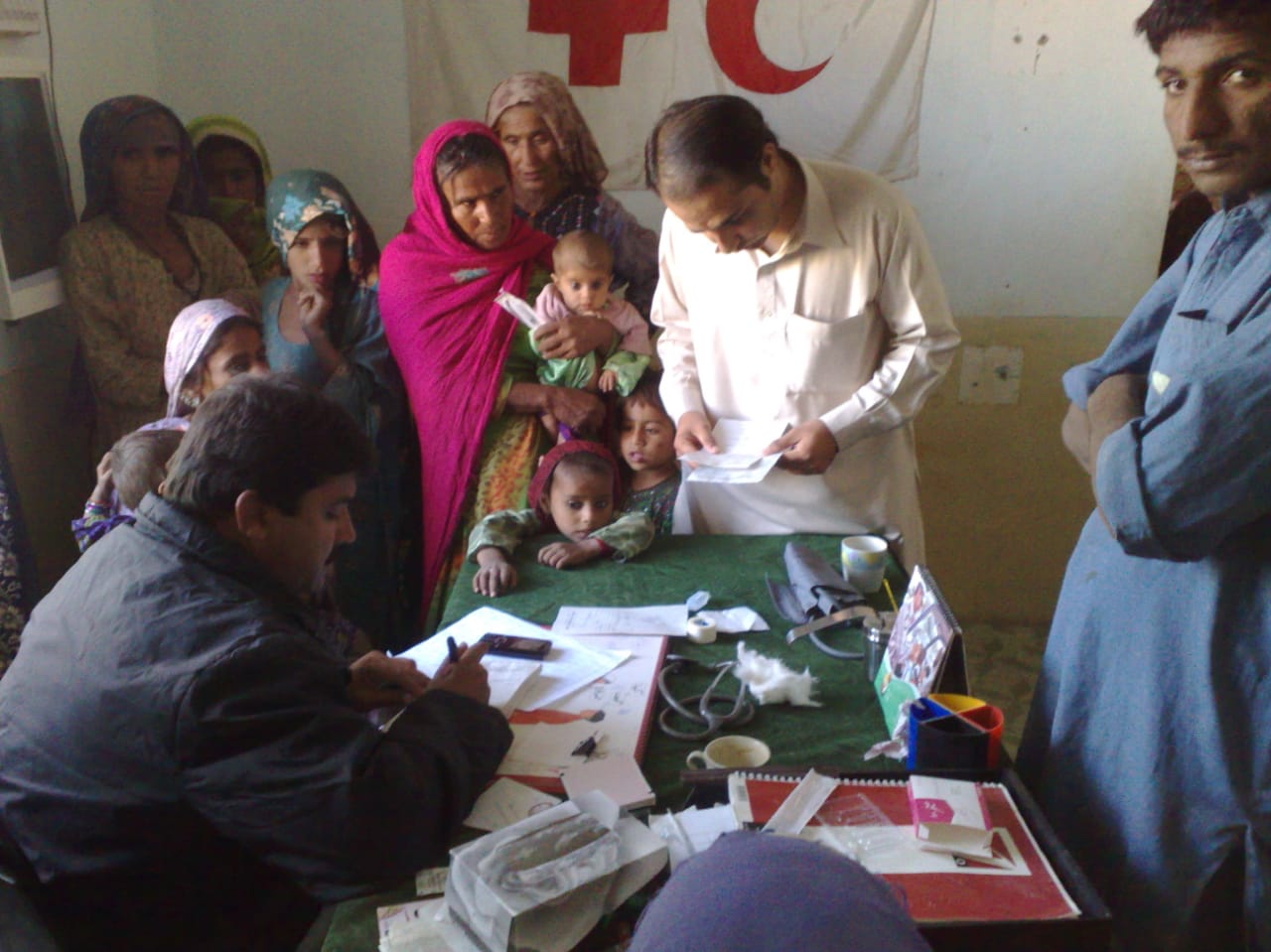
First aid service at centers and at outreach points is also provided to the vulnerable children of Quetta and if some child needs extensive medical service then that child is referred to network hospital for treatment. Medical camps are arranged for the welfare of the community. Children are given psycho-social Para counseling through group counseling sessions at centers. SCD Quetta has strong networking with other organizations working in Quetta.
Sirki Kala'n, Shanti Naggar; Children at Sirki Kala'n, Shanti Naggar are mostly Hindus. Most of women in Shanti Naggar in Quetta are known for begging while their men stay at home for gambling. Drug use, early marriages, domestic abuse, illiteracy, unemployment are common features in the community. Children are often left unattended by mothers when they leave for begging and instances of child sexual abuse are common. Most children do not have access to education and live in extremely unhygienic conditions. Children and youth attending the center vary from 96 to 25 per month.
Hazara Town; Hazara Town is a migrant Muslim Shi'ite community whose children are mostly engaged in child labor specially carpet weaving centers. As a result of unemployment and poverty, most children start working at carpet weaving centers at very young age. Most parents cannot afford to put their children through school and prefer early marriages. The strength at the center varies from 180 to 78 children per month.
Basti Panchayate; Basti Panchayate is a Christian community where most residents are employed as sweepers in government jobs and where children are often hired as domestic help. These children do not have access to schools or healthy extra-curricular opportunities which results in cases of theft and drug addiction. The strength at the center varies from 114 to 53 children per month.


Refugees Affected & Hosting Areas (RAHA) Program UNDP
SCD with the financial support of RAHA (UNDP) implementing a skill development project in District Pishin Tehsil Karazat UC Khanozai the project aim is to “Train the Traditional Birth Attendant (TBAs)” in respective union council.Child Birth Registration Project
SCD with the financial support of UNICEF in collaboration with Local Government of Balochistan and NADRA is implementing child birth registration project in 20 U/Cs and 3 Municipal Committees in District Loralai for providing birth registration to children. SCD social mobilizers visit the focused U/Cs at door to door to mobilize and create awareness among the community members regarding child birth registration, and also providing birth certificates to community.
Legal Aid Program
SCD under Legal Aid Program works in Lahore, Karachi and Quetta for providing legal aid to children in detention. SCD in house lawyers visits jails and identify children who need legal aid because either the family is unaware of the child’s detention or the family is not in a position to afford a lawyer for getting their child out of the jail. SCD after taking up the case pursues the case in the court(s) till the case is disposed off by the court.Psychologist of SCD work with the child by providing them counseling inside the jails in form of individual counseling sessions similarly group counseling sessions are provided to tackle the issues in form of a group. Female psychologists visits the home of the children before and after the child’s release from the jail for providing family counseling to the family for working out the issues which forced the child in committing an offence.
In most cases the children in detention are either living on the street or working on the street in order to survive. SCD is aware of the dynamics of streets of Pakistan and reunifies the children once they are released from jails resulting from bail or after the ending of case. Social worker traces the family once the case is taken up for legal aid by SCD. Social worker and psychologist follow up on each child from minimum of 3 to 6 months depending on the circumstance of each case.
Released children are provided vocational/ technical skill in order to empower them socio-economically and for improving their standard of living. Children are enrolled in partner government or private skill institutions for learning skills as these institutes provide relaxed rules for admission of these children.
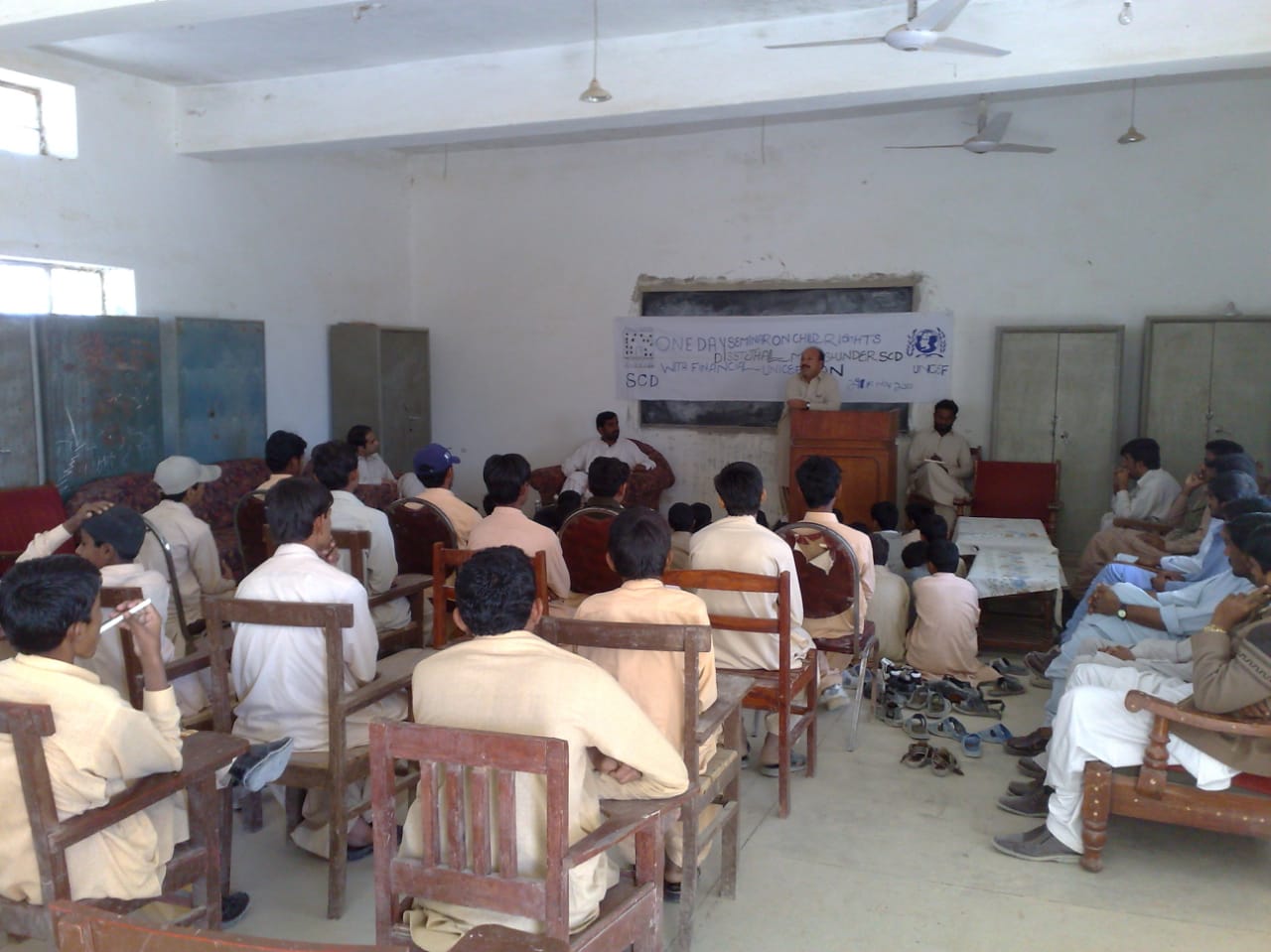
The implementation of JJSO is reinforced through creation of synergies between all stakeholders present in jail (jail authorities and various NGOs working in jail) to avoid overlapping and duplication of work. Moreover, in collaboration with other mobilized members of the civil society, advocacy and lobbying is carried out with relevant governmental institutions such as Ministry of Interior and Ministry of Law for enforcement of current laws relating to juveniles. For raising awareness of child right and children’s right in detention seminars are held and posters containing the provision of JJSO will be placed in police of the city after getting the permission from the Ministry of Interior and Ministry of Law.